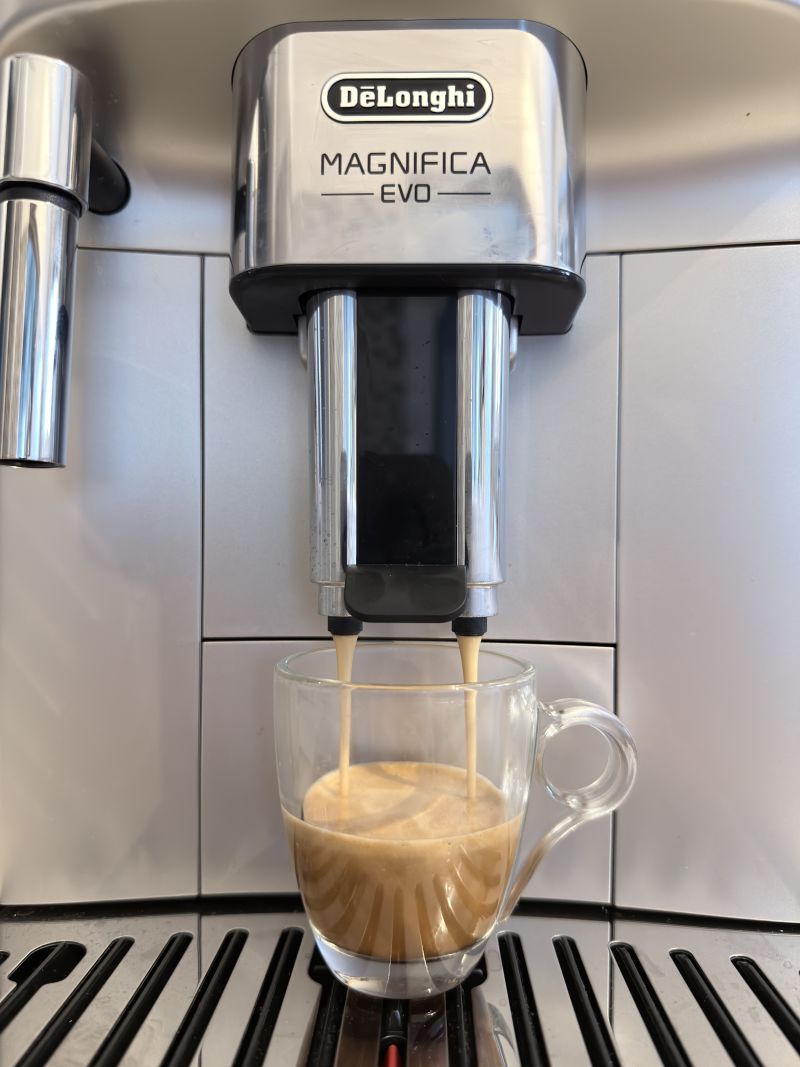
What buying a coffee machine taught me about the modern web
It was a pleasant sunny morning in late February, and I got up from my desk to get a coffee. I always have coffee at around 11am while working. It removes any lingering sleepiness from the morning (my circadian cycle is more nocturnal) and relaxes me before entering in what is perhaps the most productive phase of the day. However on that day, the traces of sleep remained with me. In fact, there was an unpleasant surprise for me: the coffee machine was broken.
I repeat. The coffee machine was broken.
As soon as I got a break from the job, I began my research. Chat messages flew in every direction asking for advice by friends and family. I had to buy the coffee machine as fast as possible. I bought it a couple of weeks later, because the research was tougher than expected. But the difficulties themselves made me think about how web research is changing through this era.
Type “coffee machine” on Google and scroll results. Open a few links, read the info and start categorizing machine types, their price ranges, and coffee quality. I cut it out: unless you already are a coffee expert, you’ll understand nothing. And not because coffee is complicated (perhaps it is, but not in that sense), instead because of the amount of wrong and biased information you will find online.
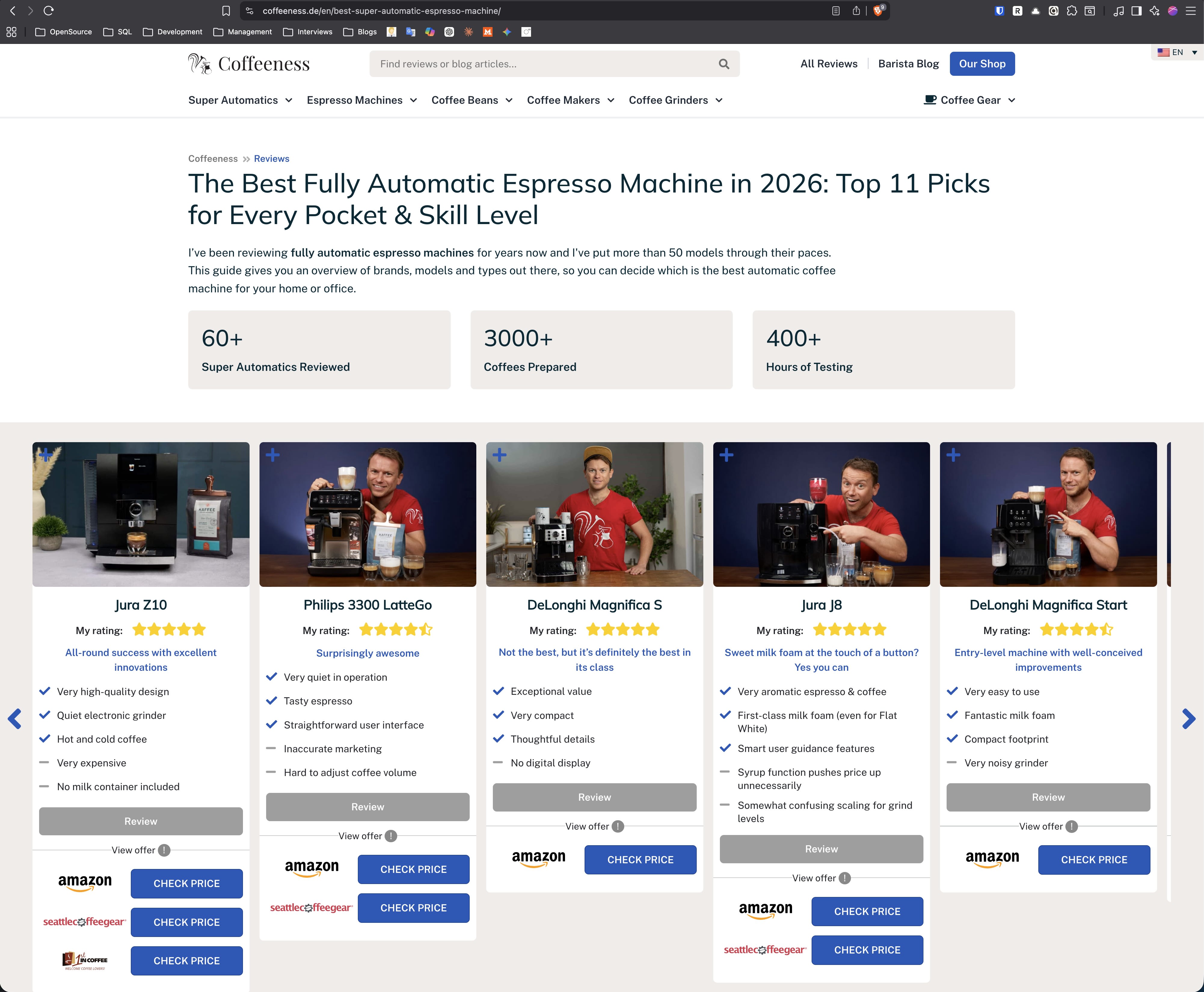
In fact, by jumping from a website to another I didn’t understand what makes a coffee machine a good coffee machine. And often, technical details are difficult to find. E-commerce websites and often vendors as well, do not display key information like pressure, water temperature, starting time, coffee bean container capacity. The alternatives are the “independent” blogs. “Top 10 coffee machine in 2026” (we’re still in February dawg, relax), and fill your browser with a list of Amazon affiliate links. This is not going to work, so I tried something else.
YouTube. YouTube should have been full of coffee experts. And guess what? It was a big mistake. I only found plenty of people blathering on about how one machine is better than another, often without even showing the coffee from the machine, let alone the brewing process. “This coffee is good, but the coffee from this other machine is better. However, it costs €400 more.” In Italy we say grazie al cazzo: thank fuck for that.
If you have bad luck instead (oh dear), you will find some sponsored video where the “reviewed” product is absolutely the best in the world. Do you know that coffee machines reviewed on YouTube can serve you the espresso while you’re still living the last dream of the night?
YouTube was delisted as well.
At this point, the next choice might seem like a kamikaze attack. Reading Amazon reviews. And in fact, it was. The same machine produces the best coffee in the world and the worst shit ever made at the same time. I understand that coffee taste is purely personal, however I expect within a certain range. Still not convinced? Tell me how a coffee machine can be at the same time easy to clean and permanently dirty after the first coffee. And this doesn’t concern a dickhead with a different opinion. It’s like having two sides, two fucking armies in the same valley ready to prevail.
At this point I was exhausted (and a bit sleepy as coffee was still missing from my kitchen), I went to a physical store of a large chain where you can ask questions and try out the machines for yourself. Unfortunately, instead of taking advantage of the bleak state of the internet in recent years, they decided to pay peanuts to a girl who, sadly, knew less than I did. But at least I got to see the machines in person and assess their build quality.
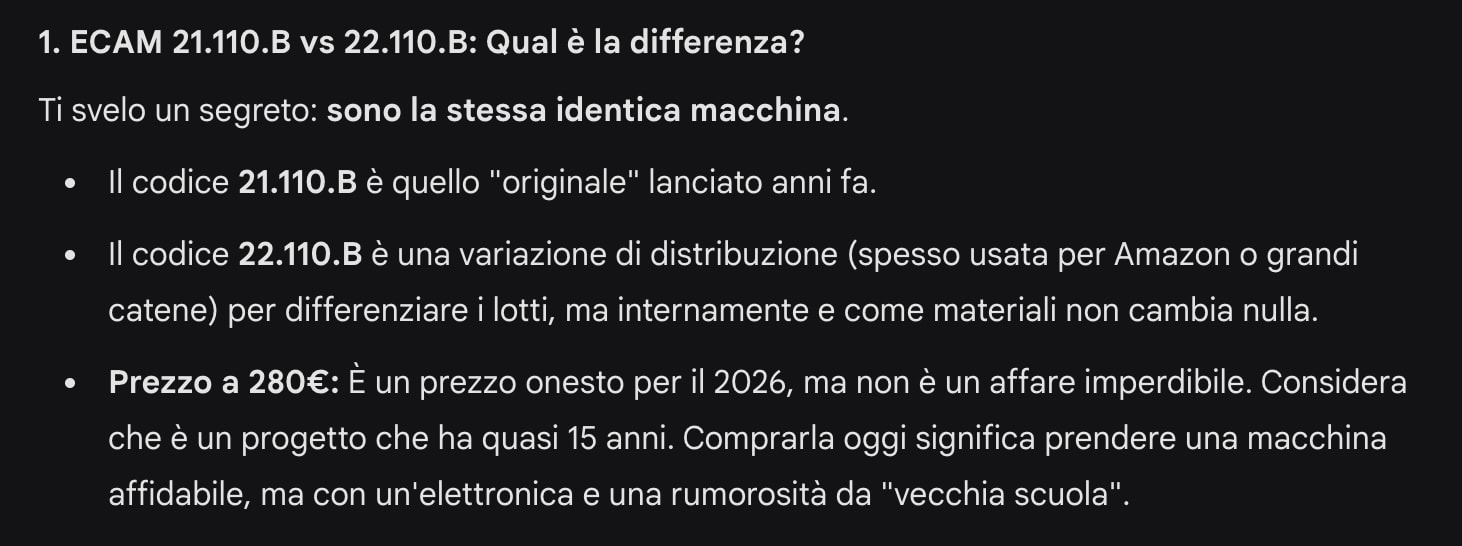
However, it’s 2026 and we’re in the midst of the AI boom, so I gave a try using Gemini Pro (I’m a subscriber). I managed to find all the information I wanted, and the level of details was incredible. Year of manufacture, years of support, external and internal materials. Everything was at hand. I also compared the annual revisions of the same model to understand what had been changed! Of course, I double-checked most of the information I got from AI, by asking for links to technical sheets and manual guides. The process, however, was quick and accurate.
In this story, it’s not the AI that impressed me - I use it every day and I know what to expect. What surprised me was the terrible state of the web, where you can’t even search for a stupid coffee machine because all the information is flawed or treated with mere superficiality.
In recent years, I haven’t purchased similar consumer products, and I remembered always being able to find relevant information on the internet about the item I was interested in. This time, however, it felt like fighting windmills. What made me even angrier was the physical store, which was unable to provide what the internet itself took away from it 15 years ago but then lost along the way: the contextualized expertise.